You might notice it in small moments. You brush at night, but you are not sure you are doing it “right.” You sip coffee all morning, then feel a twinge of guilt when your teeth feel rough or sensitive. Maybe you put off dental checkups because life is busy, money is tight, or past visits have felt rushed and confusing. At our Sunnyvale dental office, we understand those concerns. Yet in the back of your mind, there is a quiet worry. If your mouth is not in great shape, what does that mean for the rest of your health down the road.end
Because of this tension, you might wonder if a general dentist is just there to fix problems when they show up, or if they can actually help you build healthier habits day by day. The short answer. Good general dentistry does far more than clean teeth. It gives you a practical roadmap for daily routines that protect your mouth and support your overall health.
In simple terms, a strong relationship with a general dentist can help you understand what is going on in your mouth, spot early warning signs long before they become emergencies, and turn confusing advice into a clear, doable routine at home. That is the big picture. You are not just getting a cleaning. You are getting guidance that can quietly reshape your choices every single day.
Why everyday dental care feels so hard to keep up with
Before talking about solutions, it helps to be honest about why daily oral care often slips. Many adults were never really taught how to care for their teeth beyond “brush twice a day.” No one explained how long to brush, what angle to hold the toothbrush, how to clean between teeth properly, or how much sugar “grazing” through the day really matters. So you do your best, but you are not sure if it is working.
There is also the emotional side. If you have had a painful dental visit, felt judged about your teeth, or received a big unexpected bill, it is natural to avoid going back. That avoidance can quietly grow into years without a checkup. In the meantime, small cavities grow, gums get more inflamed, and you may only go back when something hurts. By then the problem is bigger, the treatment is more involved, and the cycle continues.
Financial worry adds another layer. Preventive visits might feel optional compared to rent, food, and other bills. It can be tempting to wait until something is obviously wrong. The hard truth is that waiting usually makes care more expensive, not less, because advanced problems require more time and more complex treatment.
So where does that leave you. It can leave you feeling stuck. You know oral health is important, but you are not sure what changes will actually matter, and you might feel a bit ashamed or overwhelmed. This is exactly where a thoughtful general dentist can change the story.
How general dentistry quietly shapes your daily health choices
Think of a general dentist as your long term health partner for your mouth. Instead of only reacting to pain, they can help you understand the “why” behind your daily choices, so you are more likely to follow through at home.
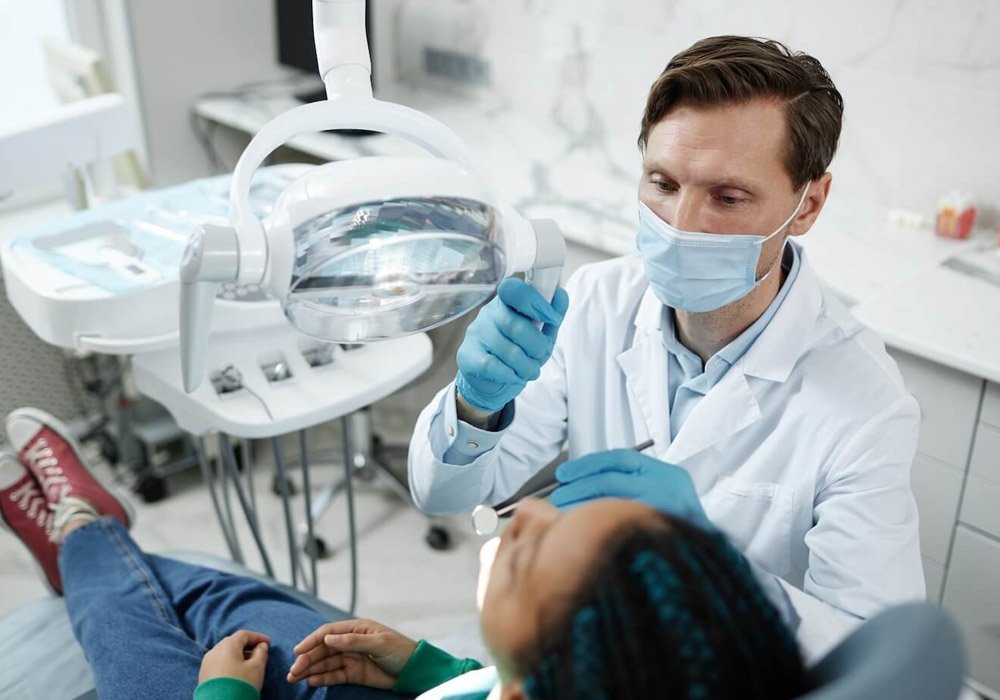
During a routine visit, a general dentist does far more than polish your teeth. They look for early signs of gum disease, tiny fractures, worn enamel, changes in your bite, and even clues to conditions like diabetes or sleep apnea. Research has shown clear links between oral health and overall health, including heart disease and pregnancy outcomes. That is one reason public health groups emphasize consistent preventive care. You can see some of their everyday tips for adults in the CDC’s guidance on oral health habits.
When a dentist explains what they see in your mouth in simple terms, it can suddenly make sense why they suggest certain changes. For example.
- If your gums bleed when you brush, that is not “normal.” It is usually a sign of inflammation that can often be reversed with better cleaning at the gumline and regular professional care.
- If they see acid wear on your teeth, they may ask about soda, citrus drinks, or reflux, then help you adjust your habits so your teeth are exposed to less acid through the day.
- If plaque and tartar build up quickly, they can coach you on brushing and flossing technique, and may suggest specific tools like interdental brushes or a water flosser.
This kind of tailored feedback turns vague advice like “brush better” into very specific, doable actions. Over time, those small changes in your routine can mean fewer cavities, less gum bleeding, better breath, and often fewer urgent dental visits.
Trusted sources such as the National Institute of Dental and Craniofacial Research offer clear guidance on proper brushing, flossing, and fluoride use in their overview of good oral hygiene practices. A good general dentist will often echo and personalize these same principles for your mouth.
Is it worth seeing a general dentist if you already brush and floss
You might think that if you brush and floss, you have done all you can. The truth is that home care and professional care work together. Each one does something the other cannot. Understanding this difference can help you see why regular visits matter, even when nothing hurts.
| Aspect | DIY home care only | Home care plus general dentistry
|
| What you can remove | Daily plaque and some food debris with brushing and flossing | Plaque at home plus hardened tartar and deep deposits during professional cleanings |
| Problem detection | Usually only notice issues when there is pain or visible damage | Early detection of cavities, gum disease, and other issues before they hurt |
| Cost over time | Lower short term cost, higher risk of sudden large bills from emergencies | Predictable smaller costs for checkups, fewer surprise emergencies over the years |
| Impact on daily habits | Rely on your own guesswork and internet tips | Personalized coaching that turns into better brushing, flossing, and food choices |
| Overall health link | Harder to connect oral changes to general health issues | Professional monitoring that can flag concerns tied to diabetes, heart disease, and more |
Health agencies that work with adults across the country stress that preventive visits are not a luxury. They are a practical way to catch problems early and support long term health. You can see this focus in federal guidance on oral health for adults, which highlights how routine dental care supports overall well being.
When you look at it this way, general dental care is less about “going to the dentist” and more about having a partner who keeps your daily efforts on track.
Three practical steps to build healthier dental routines starting now
You do not need to overhaul your life overnight. Small, steady changes make the biggest difference. Here are three steps you can start right away.
- Upgrade how you brush and clean between your teeth
Set a timer and brush for a full two minutes twice a day with fluoride toothpaste. Focus on gently aiming the bristles at the gumline, not just the flat surfaces. Use soft, small circles instead of hard scrubbing. Once a day, clean between your teeth using floss, interdental brushes, or a water flosser, whichever you can stick with. If your gums bleed at first, do not stop. That bleeding is often a sign they need more consistent cleaning, and it usually improves within a week or two.
- Tame “all day” snacking and sipping
Your teeth are not only affected by what you eat, but how often. Constant snacking or sipping sweet drinks keeps your mouth in an acid attack cycle. Try to limit sweet or acidic drinks to mealtimes. Choose water in between. If you do have a snack, follow it with a quick rinse with water. Even this small shift can reduce your risk of cavities and help your mouth recover between meals.
- Commit to regular checkups and ask honest questions
If it has been more than a year since your last visit, choose a general dentist and schedule a checkup and cleaning. When you are there, be open about your worries, your budget, and your daily routine. Ask the hygienist to show you how they would brush and floss your teeth. Ask the dentist which two or three changes would make the biggest difference for you personally. You do not need a perfect report. You just need a clear starting point and a plan.
Moving forward with more confidence in your daily choices
You do not have to figure out oral health alone, and you do not need to be perfect to make real progress. With the support of general dentistry for healthier habits, your everyday choices can become more confident and less stressful. Over time, that means fewer surprises in the dental chair, more comfort when you eat and smile, and a stronger foundation for your overall health.
The next step is simple. Choose one change you can start today at home, then commit to regular care with a general dentist who takes the time to explain, listen, and guide. Your future self will be grateful for the calm, steady choices you begin making right now.