You might have noticed it first as a dull ache in your jaw when you woke up, or maybe your partner mentioned that grinding sound at night that you had no idea you were making. Over time, your teeth might look flatter, more sensitive, or even chipped, and now you are wondering if this is just stress or something serious. You might also be hearing the word “nightguard” from your dentist and feeling unsure about whether you really need one, or if other options like Invisalign Clear Aligners in Downtown Phoenix might be a better fit for your situation.end
It is a lot to process. Teeth are personal. They affect how you eat, speak, and smile, and the idea that you might be wearing them down in your sleep can feel unsettling. Here is the simple summary. Teeth grinding, also called bruxism, can quietly damage your teeth, jaw joints, and even your sleep. A nightguard does not fix every cause of grinding, but it often acts as a practical shield that reduces damage, eases strain on your jaw, and buys you time to address the underlying stress or medical issues.
So where does that leave you if your dentist has suggested a nightguard, or you suspect you might need one but are unsure what to do next.
What is really happening when you grind your teeth at night
Bruxism is more than just “a bad habit.” Many people grind or clench without realizing it, especially during sleep. According to the National Institute of Dental and Craniofacial Research, sleep bruxism is considered a sleep-related movement disorder. That means your muscles are working when your conscious mind is off duty.
The problem is that your teeth and jaw are not designed to handle that constant pressure. When you grind, you can put several times more force on your teeth than you ever would while chewing food. Over months and years, that pressure shows up as worn enamel, small fractures, receding gums, and sore muscles. Some people even wake with headaches or ear pain that actually start in the jaw.
Because all this is happening while you sleep, it is easy to ignore it or blame it on “just stress.” Yet stress is only part of the story. Some people grind due to anxiety, some due to sleep disorders, certain medications, or bite alignment issues. If you are reading this, you may already be at the point where “wait and see” feels risky.
Why teeth grinding feels small at first but becomes a bigger problem
Think about the last time you had a small chip or crack in something you use every day. At first it seemed minor. Then it grew, and suddenly you were dealing with a full replacement instead of a simple repair. Teeth grinding works much the same way.
At the start, you might only notice mild morning stiffness in your jaw or a little sensitivity to cold drinks. Over time, that can shift into flattened teeth, frequent dental work, and even changes in how your teeth fit together. Emotionally, it can feel frustrating to pay for fillings, crowns, or bonding, only to have them wear down again because the grinding never stopped.
Financially, untreated grinding can also be expensive. Rebuilding worn or broken teeth often involves crowns, veneers, or even root canals. Each one costs far more than a protective appliance. It is common for people to think “I will get a nightguard later” and then end up needing more serious treatment because “later” came too late.
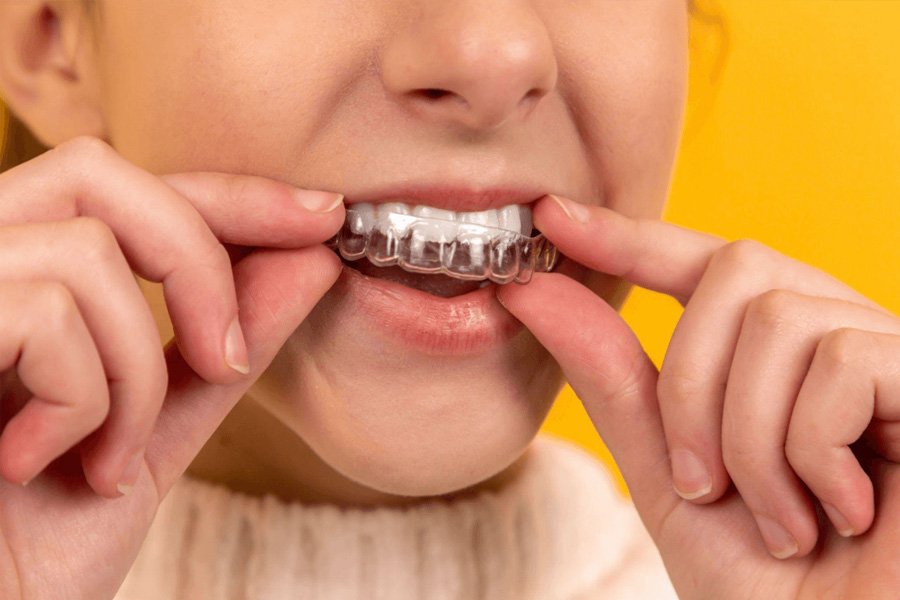
So why are nightguards for bruxism recommended so often. Because while you work on the causes, you still need protection. A well made nightguard does three important things. It acts as a barrier between your upper and lower teeth, so you are wearing plastic instead of enamel. It spreads out the forces from clenching, which reduces stress on your jaw joints and muscles. It gives your dentist a clearer picture of what is happening, because the wear marks on the guard reveal how and where you grind.
Are you overreacting, or is a nightguard actually worth it
You might be wondering if you are making too big a deal out of this. After all, plenty of people grind their teeth and never talk about it. Yet quiet problems can still be serious. The question is not “Do other people ignore this.” The question is “What is it already costing you in comfort, confidence, and future dental work.”
Research on teeth grinding and clenching, such as the information shared by the University of Nebraska–Lincoln on why you might be grinding or clenching and what to do, points to a mix of triggers. Stress, sleep apnea, acid reflux, and even certain medications can all play a role. You might not be able to fix those overnight, which is exactly why nightguards are so often brought into the picture. They are not a cure, but they are a practical buffer while you sort out the “why.”
So you are not overreacting if you are worried. You are paying attention. The real question is how to protect your teeth in a way that makes sense for your life and budget.
Nightguards vs doing nothing vs store bought guards
When you hear about nightguards for teeth grinding, it is natural to compare them with other options. You might be thinking about doing nothing, buying a guard online, or getting a custom one from a general dentist. Each path has pros and cons.
| Option | What it looks like | Main benefits | Main risks or downsides | Best suited for |
| Do nothing | No appliance. Hope the grinding stops on its own. | No upfront cost. No adjustment period. | Ongoing wear on teeth. Possible fractures, jaw pain, headaches, and higher long term dental costs. | Short term only while you wait for a dental visit or evaluation. |
| Store bought nightguard (boil and bite or one size) | Over the counter guard molded at home or worn as is. | Lower cost. Quick to get. Some protection for teeth. | Fit can be bulky or uneven. May move teeth slightly. Might alter your bite or feel uncomfortable. Often wears out faster. | Mild, occasional grinding when professional care is not immediately available. |
| Custom nightguard from a dentist | Made from impressions or scans of your teeth. | Precise fit. Better comfort. More effective force distribution. Designed around your bite and jaw. | Higher upfront cost. Requires a visit and sometimes minor adjustments. | Moderate to severe grinding, existing dental work, jaw pain, or long term protection goals. |
This is where a general dentist becomes important. A custom guard is not just “nicer plastic.” It is shaped to your teeth and bite. That can reduce the chances of creating new problems, such as jaw shifting or uneven pressure, which sometimes happens with very thick or poorly fitted over the counter guards.
Put simply, doing nothing carries the highest long term risk. A store bought guard can be a short term step, but a professionally made appliance from a general dentist usually offers the safest and most stable protection if your grinding is consistent or already causing damage.
Three practical steps you can take right now
- Pay attention to your signs and triggers
Start by noticing what your body is already telling you. Do you wake with jaw soreness, tightness, or headaches near your temples. Are your teeth more sensitive than they used to be. Have you seen small chips, flat edges, or lines on your teeth. Write down what you notice and when it seems worse, such as during stressful weeks or after caffeine or alcohol. This simple awareness gives your dentist a clearer starting point and helps you see patterns instead of guessing.
- Talk with a dentist about both protection and causes
When you schedule a visit, be honest about your symptoms, stress level, sleep quality, and any medications. Ask two questions. How much wear or damage do you already see. What type of nightguard do you recommend for my situation. A good dentist will not only discuss a guard, but also whether you should be screened for things like sleep apnea, reflux, or anxiety support. That turns the nightguard into part of a bigger plan instead of a bandage you wear forever with no answers.
- Support your jaw and nervous system at home
While you are exploring a guard, small daily habits can calm your jaw. Avoid chewing ice, pens, or very hard foods. Notice if you clench during the day. If your teeth are touching when you are not eating, gently relax your jaw, rest your tongue on the roof of your mouth, and let your lips close lightly. Build in simple stress relievers that you can actually keep up with, like a short walk, stretching before bed, or a consistent wind down routine. These do not replace a nightguard, but they support the muscles that work all night while you sleep.
Moving forward with more clarity and less fear
Teeth grinding can feel like something that is happening to you, out of your control, in the dark while you sleep. A nightguard does not solve every part of the story, yet it gives you something solid and practical. It protects your teeth, lightens the load on your jaw, and gives you room to breathe while you and your dentist look at the deeper causes.
You do not have to wait until a tooth breaks or the pain becomes constant. The sooner you understand what is happening and consider protection, the more likely you are to keep your natural teeth strong and your future dental work simpler. Reach out to a trusted general dentist, bring your questions, and use that visit to map out a plan that feels realistic for you.
You are not being dramatic. You are taking care of the only set of teeth you will ever have, and that is a smart, steady step forward.