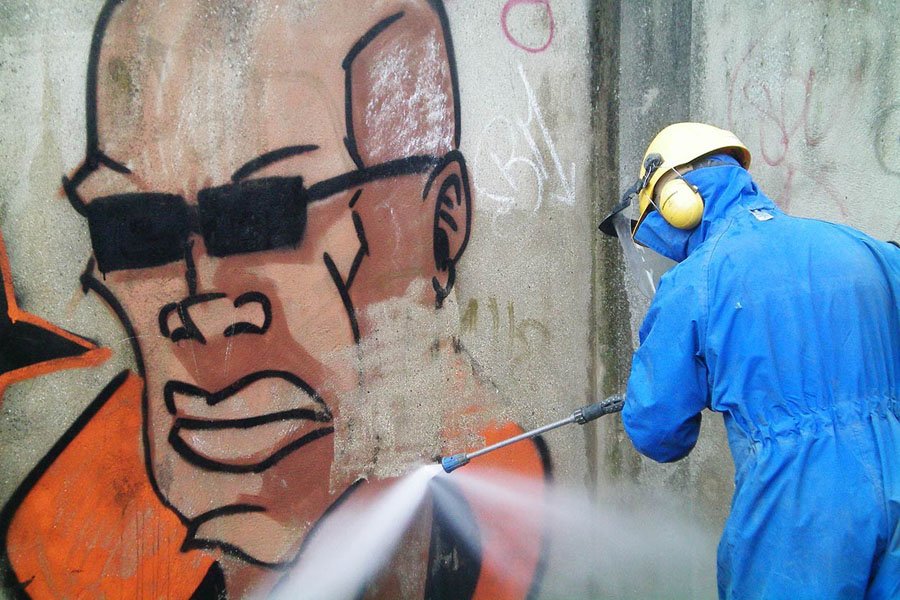
Graffiti on concrete surfaces is a recurring problem for property owners and municipalities. The struggle arises from concrete’s porous nature, which allows paints and inks to seep deep below the surface. As a result, removing graffiti requires more than simple scrubbing. It requires a well-planned approach that combines specialized tools and expert knowledge. For those seeking professional support, COIT Albuquerque concrete graffiti removal offers reliable solutions that preserve your concrete’s integrity while ensuring thorough cleaning.
The challenge isn’t just about improving appearances. Failing to remove graffiti completely can leave lasting “ghosting” or discoloration behind, impacting property value and neighborhood image. Understanding why graffiti sticks so stubbornly and how to address it with minimally invasive methods can help you make informed decisions about maintenance and prevention.
Key Takeaways
- Concrete’s porous structure allows paints to penetrate deep, making graffiti removal especially difficult.
- Conventional cleaning methods are often insufficient and can damage surfaces.
- Professional methods, including chemical treatments and calibrated washing, are most effective in protecting and restoring concrete.
Understanding Concrete’s Porosity
Concrete is crisscrossed with tiny capillaries and pores. When graffiti artists use spray paint or markers, the liquids they use infiltrate these pathways, making them difficult to extract. Rough-textured finishes, such as split-face blocks, are particularly susceptible. Paint can cling tenaciously in deep crevices, while smoother surfaces may only require a lighter touch. This principle explains why some DIY attempts lead to visible shadows or a patchwork effect after cleaning.
Moreover, not all graffiti sits on the surface. Deep penetration makes traditional surface-level scrubbing ineffective and sometimes counterproductive, as it can push pigment deeper. A CBS News case study explored how cities like New York strategically address these persistent marks through both community programs and specialized removal processes.
Many property owners may not realize that graffiti removal is not a one-size-fits-all process. The differences in concrete density, finishing, and even ambient temperature can all influence how graffiti should be treated. For example, colder concrete surfaces can slow the action of chemical removers, requiring more time or repeated applications to achieve a clean result. On historic or decorative concrete, care must be taken to avoid damage to color or textural details that add value to the structure.
Challenges with Standard Cleaning Methods
Property owners may gravitate toward solutions like soap, water, and vigorous brushing. However, these standard methods usually fail on concrete. Overzealous scrubbing and high-pressure water can drive the paint deeper, exacerbate staining, or even erode parts of the concrete’s surface layer. In certain cases, aggressive cleaning can shorten the lifespan of concrete fixtures or leave behind discoloration that tarnishes the area’s overall look.
In response to these setbacks, professional graffiti removal often relies on a combination of carefully chosen chemicals and machinery. Organizations such as the EPA provide guidance on environmentally safe graffiti removal techniques, highlighting the importance of responsible chemicals and disposal in public spaces.
Specialized Graffiti Removal Techniques
Restoring concrete following graffiti requires targeted, professional-grade solutions. These approaches are tailored to the surface condition, paint type, and environmental constraints surrounding the cleanup effort.
Chemical Treatments
Specialized solvents can penetrate concrete pores, breaking down graffiti pigments for easier removal. Selecting the right chemical is critical, as some products are formulated for water-based paints, while others tackle oil-based inks or tough spray paints. It’s important to allow the solvent time to soak in and break loose the color, after which gentle scraping or rinsing can lift the dissolved contaminants. Professionals are trained to avoid residue that might stain or harm the surrounding concrete.
Additionally, some modern graffiti removers are formulated to be biodegradable and less toxic, providing an environmentally friendly alternative to older, harsher solvents. These innovative products enable effective cleaning that balances safety and ecology, a crucial consideration in public areas and near landscaping. In some cases, a combination of multiple removers may be required for complex or layered graffiti.
Controlled Pressure Washing
Power washing is only effective when handled by experts who can adjust pressure and water temperature to fit the job. Excessive pressure or incorrect nozzle use can wear away the concrete surface, while too little force will not remove embedded pigment. Controlled methods sometimes integrate heating elements and carefully timed water pulses. Often, pressure washing is paired with chemical treatments, offering both penetration and force to maximize cleaning efficiency.
Abrasive Blasting
In severe cases, abrasive blasting methods such as sandblasting or soda blasting are used. These approaches propel granulated material at the graffiti, physically abrading away paint. While highly effective, these methods require skilled operators who can avoid pitting, scratching, or dulling the concrete. Abrasive blasting is generally a last resort for graffiti that is deeply embedded or for which previous attempts have failed.
Preventative Measures
Prevention plays a key role in reducing future maintenance costs and preserving community spaces. One strategy is the application of anti-graffiti coatings, which create a transparent barrier on the surface. These coatings may be sacrificial (removed during graffiti cleaning and reapplied afterward) or permanent, depending on your site’s needs. Enhanced lighting and visible security measures, such as surveillance cameras, discourage vandalism by increasing the risk of detection. Furthermore, community outreach and neighborhood beautification projects have been shown to lower graffiti rates by building local pride and involvement.
Ongoing maintenance plans are another crucial aspect of prevention. Establishing rapid-response protocols for fresh graffiti can dramatically increase the likelihood of full removal, as most graffiti is easiest to clean when addressed promptly before it cures and penetrates too deeply. Frequent monitoring and scheduled touch-ups ensure that surfaces remain clean and that potential vandals see that defacement will not be tolerated or allowed to persist. Working with professional cleaning teams to develop a tailored maintenance strategy is especially beneficial for large or high-traffic properties.
- Anti-graffiti coatings hinder paint adhesion, making future cleaning easier.
- Increased visibility through lighting and cameras deters illegal activity.
- Community engagement helps foster respect for public and private property.
Long-Term Benefits of Professional Graffiti Removal
Adopting a professional approach to graffiti removal offers lasting benefits that go beyond aesthetics. When graffiti is thoroughly cleaned, and preventive measures are in place, concrete surfaces retain their structural integrity for longer. Residual paint left behind by incomplete DIY treatments may interact with weather conditions, leading to gradual deterioration of the concrete over time. Regular and expert cleaning helps to minimize such gradual wear, ultimately extending the life expectancy of driveways, sidewalks, retaining walls, and building facades.
Furthermore, maintaining graffiti-free environments has a powerful psychological impact. Clean, well-cared-for spaces promote a sense of safety and community pride. This, in turn, discourages repeat offenses. Numerous studies show that visible, unattended graffiti often invites more vandalism, in line with the “broken windows” theory, while well-maintained properties deter criminal activity and attract more positive community engagement. Business owners benefit as clean exteriors encourage customer trust and reflect attention to detail within.
Modern professional cleaning companies often prioritize eco-friendly processes, setting themselves apart from traditional methods that may rely on harsh, pollutive chemicals. Choosing a cleaning service committed to environmental stewardship means minimizing ecological impact, particularly in urban environments with nearby gardens or water systems. Responsible disposal of cleanup residues ensures that local waterways, plants, and wildlife are unharmed by the chemicals and debris generated during the graffiti removal process.
Additionally, property managers and owners can work collaboratively with local law enforcement and civic organizations to report, document, and address graffiti swiftly. This collective approach not only amplifies the short-term effect of each cleaning operation but also gradually builds a resilient, vigilant community framework for ongoing prevention. Neighbors, businesses, and city officials working together create a landscape that is unwelcoming to vandals and safe for families, residents, and patrons.
In the long run, investing in professional graffiti removal yields considerable savings compared to frequent surface replacements or property renovations. The reduced need for major repairs, coupled with the enhanced reputation and value of graffiti-free properties, presents a compelling case for proactive, expert intervention.
Conclusion
Removing graffiti from concrete surfaces takes more than elbow grease. Because of concrete’s porous structure and the lasting nature of modern paints, a thoughtful, professional approach ensures thorough cleaning without compromising the material’s durability. Chemical treatments, calibrated washing, and occasionally abrasive methods are all tools in the expert’s arsenal. By adopting both responsive and preventative measures, property owners can keep their environments welcoming and graffiti-free.
Ultimately, partnering with experienced cleaning professionals not only protects your property investment but also supports community standards. Proactive care and modern techniques ensure that graffiti does not become a recurring or worsening problem. Through education, vigilance, and the application of best practices, everyone can help sustain cleaner, safer, and more attractive urban environments.