You might be feeling a little uneasy every time your child complains about a toothache, or when you realize it has been a year since anyone in the house saw a dentist. With general dentistry in North Edmonton readily available, you want your family to have healthy smiles, yet life is busy, money is tight, and the topic of brushing and flossing often turns into a battle. It can leave you wondering if you are doing enough, or if you are already behind.
The shift often happens slowly. At first you mean to schedule regular checkups, then someone gets sick, work gets intense, and suddenly you are only calling a dentist when there is pain. Because of this, you might start to feel guilty or overwhelmed. The good news is that building a culture of oral health at home is not about perfection. It is about small, steady habits and a supportive relationship with a trusted family dentist who knows your story.
In simple terms, family dentistry and oral health at home go hand in hand. A family dentist can help you prevent problems, spot issues early, and teach your children that taking care of their teeth is just part of normal, everyday life. You handle the daily routines. The dentist provides the guidance, the checkups, and the backup when things get complicated.
Why does family oral health feel so hard to manage?
Start with the emotional side. You might feel pulled in different directions. You know that regular dental visits matter, yet you may have your own fears from childhood. Perhaps you remember painful treatments or a dentist who did not explain what was happening. If you are anxious, your children pick up on it, and suddenly a simple cleaning becomes a stressful event for everyone.
Then there is the practical side. Appointments need to be booked, work schedules rearranged, and school activities considered. If you have more than one child, you are trying to coordinate multiple visits. When you add concerns about cost or insurance, it can feel easier to wait until something hurts. The problem is that waiting usually makes treatment more complicated and more expensive.
So where does a family dentist for all ages fit into this picture? A good family practice is built around continuity. The same team sees your children as they grow, understands your household routines, and learns your health history. Instead of treating each visit as a one time event, they partner with you to reduce emergencies and keep your whole family stable and comfortable.
What happens when small dental problems are ignored?
Imagine a simple scenario. Your child complains that cold water hurts a tooth. You check and do not see anything obvious. Life gets busy, the pain comes and goes, and you decide to wait and see. Months later, the pain is worse, there is swelling, and now you are rushing to find an emergency appointment. What might have been a small cavity that needed a quick filling can turn into a root canal or even an extraction.
The same pattern happens with adults. Bleeding gums get brushed off as “brushing too hard” when they may be early gum disease. A chipped tooth from crunching ice is ignored until it breaks further during a meal. Each delay increases the chance of more invasive treatment, higher costs, and more time off work or school.
On top of this, oral health is closely connected to general health. The Centers for Disease Control and Prevention explains that taking care of your teeth and gums is part of preventing chronic diseases such as heart disease and diabetes. You can see this connection in their guidance on how to take care of your teeth as part of overall health. So when you support oral health at home, you are not just protecting smiles. You are also supporting long term wellbeing.
How can a family dentist support your home routines?
A family dentist does much more than clean teeth. They help you create a simple plan that fits your real life. That might include choosing the right toothbrush and toothpaste, planning fluoride exposure, teaching your child how to floss without tears, and helping teens understand the impact of sugary drinks or vaping on their mouth.
For example, if your home water is not fluoridated, your dentist can walk you through safe ways to add fluoride protection. The CDC offers guidance on caring for your mouth when your water is not fluoridated, and your dentist can tailor this information to your family’s specific situation. This kind of customized advice is hard to replace with quick internet searches.
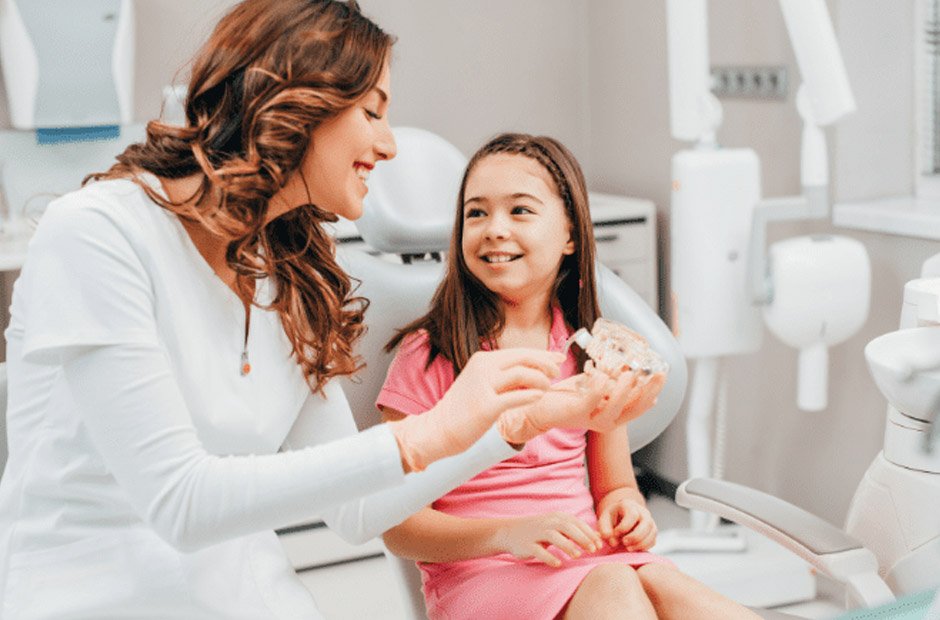
Family dentistry also helps shift the tone around oral health. Instead of dental visits being a punishment or a response to pain, they become routine health checkups, similar to annual physicals. Children learn that the dentist is a helper, not someone to fear. Parents get honest feedback on what is going well at home and what might need a small adjustment.
What are the tradeoffs between “just getting by” and building a home oral health culture?
It can help to see the difference between doing the minimum and building true family oral wellness. The comparison below is not about judgment. It is about giving you a clear picture so you can decide what fits your goals and your budget.
| Approach | Short term experience | Long term impact | Role of the family dentist
|
|
| “Emergency only” dental care | Fewer appointments at first. Less planning, but more stress when pain appears. | Higher chance of cavities, gum disease, and tooth loss. Treatments tend to be more complex and expensive. | Mostly urgent visits. Limited time for education or prevention. | |
| Basic home care without regular checkups | Brushing and some flossing at home. No schedule for cleanings or exams. | Some problems caught late. Harder to track changes over time for growing children and aging adults. | Occasional visits. Harder to build trust and a shared plan. | |
| Preventive family dentistry plus strong home routines | Predictable visits. Less fear of the unknown. Issues caught early when easier to treat. | Lower risk of serious dental disease. Better quality of life, easier eating and speaking, more confident smiles. | Ongoing partner. Helps create and adjust a home oral health culture that fits your family. |
Research summarized by the National Institutes of Health shows that preventive care and consistent habits greatly reduce the burden of oral disease across the lifespan. If you want to look at a broader review of oral health and prevention, you can explore this NIH resource on oral conditions and prevention strategies.
What can you start doing today to build a family culture of oral health?
You do not need to change everything overnight. A strong home culture around oral health grows from a few clear decisions and consistent follow through.
- Create a simple, shared routine for everyone in the house
Agree on a basic pattern. Twice a day brushing for two minutes, and at least once a day flossing for everyone who can manage it. Make it visible. You can use a chart on the fridge or a shared reminder on phones. For young children, turn it into a short ritual. Play a favorite song that lasts two minutes, or brush your teeth together so they see you doing the same thing you are asking of them.
If someone in the family struggles, adjust the tools rather than giving up. An electric toothbrush, a floss holder, or flavored floss can make the difference between resistance and cooperation. A family dentist can recommend age appropriate tools and show your child a brushing technique that feels easier.
- Build a steady relationship with a family dentist you trust
Choose one practice to be your home base for dental care. Schedule routine checkups and cleanings on a repeating basis, for example every six months. Many offices can book the next visit before you leave, which removes one mental task from your list.
At your visits, be open about your worries, your budget, and your schedule. Ask for plain language explanations. A strong relationship with a family dentist means you can plan treatments over time, understand which issues are urgent, and receive guidance on how to support your loved ones at home. Children who grow up seeing the same dental team usually carry those positive habits into adulthood.
- Connect oral health choices to everyday decisions at home
Oral health is shaped by daily choices about food, drinks, and habits. You do not need a perfect diet. You do need awareness. Try to limit constant snacking on sugary or sticky foods. Offer water instead of sweet drinks between meals. If your local water is safe and fluoridated, encourage drinking tap water as the main drink at home. If it is not, talk with your dentist about fluoride sources that fit your situation.
When you make changes, explain them in a calm and honest way. For example, “We are keeping soda as a special weekend treat because we want strong teeth and healthy bodies.” Over time, these simple explanations help children see that oral health is part of everyday life, not a separate chore.
Bringing it all together for your family’s future
It is completely normal to feel behind or unsure when it comes to your family’s oral health. Many parents and caregivers were never taught how to build strong habits or how often to see a dentist. The encouraging truth is that you can start where you are. You can choose one small step today, then another next month, and slowly create a home where caring for teeth and gums feels natural.
A trusted family dental care provider can walk alongside you. They can help you prevent painful surprises, support your children as they grow, and adjust your plan as life changes. Over time, this partnership turns dental care from a source of stress into a steady part of your family’s wellbeing.
You do not need a perfect history to create a healthier future. You only need the willingness to begin, to ask questions, and to keep going. Your family’s smiles are worth that effort, and you do not have to carry it alone.