You might be feeling a mix of frustration and regret right now. You wanted a brighter smile, you used a whitening product that promised quick results, and instead of feeling more confident, you wince every time you drink something cold. It can feel unfair. You were trying to take care of your teeth, yet now they feel weaker and more sensitive than before. A cosmetic dentist in Los Angeles, CA can help you address the sensitivity and explore safer options for whitening.
If that sounds familiar, you are not alone. Many people discover the hard way that whitening is not just about shade charts and before-and-after photos. It is also about how your teeth and gums respond. The short version is this. A whiter smile is possible without constant zingers of pain, but only if you avoid a few common whitening mistakes that quietly increase sensitivity.
So where does that leave you today. You may be wondering if you have already done permanent damage, if you should stop everything, or if there is a safer way to keep whitening without making things worse. The reassuring news is that sensitivity from whitening is usually temporary. When you understand the four big mistakes that cause trouble, you can protect your teeth and move forward more calmly and confidently.
Why does whitening so often lead to sensitive teeth?
To understand the four mistakes, it helps to know what is actually happening when you whiten. Most whitening products use peroxide, which passes through the enamel and reaches the softer inner layer of the tooth. That is how stains are lifted, but it is also why you might feel sharp twinges. The process irritates the tiny nerve endings inside the tooth for a short time.
On its own, this irritation is usually manageable. The problem starts when people, often without realizing, push their teeth too far or use the wrong products in the wrong way. Because of this tension between wanting fast results and wanting comfort, you might be tempted to ignore sensitivity and power through. That is exactly how short term whitening can turn into long term discomfort.
Authoritative sources like the American Dental Association explain that using whitening correctly and under guidance is usually safe, yet overuse or misuse increases the risk of sensitivity and even gum irritation. If you want more background on how whitening is supposed to work, you can read the ADA overview on professional and at home teeth whitening.
Mistake 1: Using super strong products too often
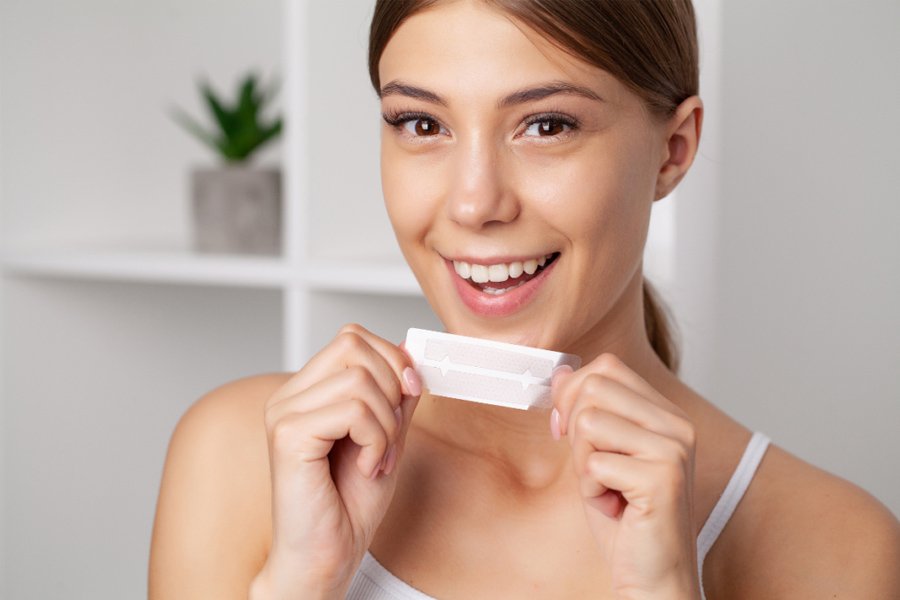
Many people assume that if a little whitening is good, then more must be better. So they leave strips on longer than recommended, repeat treatments several times a day, or layer multiple products at once. At first, it might even seem to work. The shade improves quickly. Then the sensitivity kicks in and suddenly breathing in cool air hurts.
Here is the problem. Strong formulas or too frequent use do not just remove stains. They also dehydrate the tooth for a short time and irritate the nerve. If you never give your teeth a break, that irritation builds. It is a bit like exercising the same sore muscle every day without rest. You might see some progress, but the pain becomes hard to ignore.
The solution is not to swear off whitening forever. It is to respect the recommended timing on the product instructions and to resist the urge to speed things up. If you are using a whitening gel or strip, follow the schedule exactly and take a break if the sensitivity spikes instead of pushing through it.
Mistake 2: Choosing cheap or unregulated whitening kits
When you see a whitening kit online for a fraction of the usual price, it can be tempting to grab it and hope for the best. The trouble is that not all products are created with your enamel in mind. Some contain high levels of active ingredients without clear instructions. Others use harsh additives that irritate gums and soft tissue.
Imagine putting an unknown chemical on the most sensitive part of your mouth and hoping nothing goes wrong. That is essentially what happens with unregulated kits. Even if you do not see immediate damage, your enamel may be slowly worn down, which makes sensitivity worse over time and harder to treat.
Safer choices usually come with clear ingredient lists, proper instructions, and ideally, some form of dental oversight. The American Dental Association and reputable health organizations provide guidance on which whitening options are safer and how to use them. For a consumer friendly guide, you might find this overview on teeth whitening basics and safety tips helpful.
Mistake 3: Whitening over existing dental problems
Another common mistake is whitening teeth that are already struggling. If you have untreated cavities, exposed roots from gum recession, cracked enamel, or worn fillings, whitening products can reach those sensitive areas much more easily. What might feel like a minor twinge for a healthy tooth can feel like a sharp shock when the inner part of the tooth is already exposed.
Think about it this way. If the roof of a house is leaking, you would not repaint it before fixing the holes. In the same way, whitening should come after basic dental issues are under control, not before. Otherwise, you are whitening damaged teeth and asking them to handle extra stress.
The answer here is simple, even if it takes a little planning. Get a dental checkup before starting or restarting whitening, especially if you notice pain when you brush, chew, or drink cold water. A cosmetic dentist can spot cracked enamel, gum problems, or weak spots that need care first. This may feel like a delay, but it usually prevents a lot of discomfort later.
Mistake 4: Ignoring early warning signs of sensitivity
Sensitivity rarely appears out of nowhere. It often starts as a faint twinge that is easy to dismiss. You might think, “It is not that bad. I can handle it.” Then you keep going, and those mild twinges grow into sharp, lingering pain that affects your daily life. By that point, you may need to stop whitening completely and wait for weeks for your teeth to calm down.
There is another layer here. Sensitive teeth may not be only about whitening. Sometimes sensitivity points to enamel wear, gum disease, grinding, or other underlying problems that need attention. The Mayo Clinic explains that sensitive teeth have many possible causes, and whitening is just one of them. You can read more about common triggers and treatments for sensitive teeth and what they mean.
Paying attention to early warning signs is not being dramatic. It is being smart. If sensitivity worsens with each whitening session, that is your cue to pause and get professional guidance before you continue.
DIY whitening vs professional care: Which is kinder to sensitive teeth?
So how do you decide between at home kits and seeing a cosmetic dentist. It helps to compare how each option affects sensitivity and safety, not just how fast it whitens.
| Whitening Option | Typical Cost Range | Control Over Sensitivity | Speed of Results | Best For |
| Over the counter strips or trays | Low to moderate | Limited. One size fits all strength and fit | Moderate. Several days to weeks | Healthy teeth with little or no sensitivity |
| Custom trays from a cosmetic dentist | Moderate to higher | High. Custom fit and adjustable gel strength | Moderate. Often quicker than generic kits | People with mild sensitivity who want control |
| In office whitening by a cosmetic dentist | Higher | Very high. Close monitoring and protective steps | Fast. Noticeable change in one visit | Those wanting quick results and medical oversight |
This comparison is not about saying one approach is always right. It is about matching the method to your mouth. If you already struggle with tooth sensitivity from whitening, a professional approach usually provides more control over gel strength, application time, and protective measures like desensitizing agents or fluoride treatments.
What can you do today to reduce sensitivity and still aim for a whiter smile?
You do not have to choose between comfort and confidence. You can reduce sensitivity, protect your enamel, and still work toward a brighter smile if you take a few thoughtful steps.
- Pause whitening and switch to a sensitivity focused routine
Give your teeth time to recover. Stop all whitening products for at least a week, or longer if the pain is intense. During this time, use a toothpaste designed for sensitive teeth and a soft bristle toothbrush. Brush gently, not aggressively, and avoid very hot or very cold drinks if they trigger pain.
This short reset often calms irritated nerves and makes it easier to reintroduce whitening more safely later on. It also gives you a clearer picture of how much of your discomfort is from whitening and how much might come from other causes.
- Talk to a cosmetic dentist before your next whitening round
If you plan to continue whitening, consider involving a professional. A cosmetic dentist can check for hidden issues like tiny cracks, worn enamel, or gum recession that are making sensitivity worse. They can also suggest lower strength gels, shorter sessions, or alternating days, which can dramatically reduce discomfort while still improving color.
Even if you prefer to use at home products, a one time consultation can help you choose safer options and a schedule that fits your teeth instead of following generic packaging.
- Use whitening more slowly and strategically
Once your teeth feel calmer and you have a plan, ease back into whitening. Start with shorter wear times than the maximum on the box. For example, if a strip says 30 minutes, begin with 10 or 15. Skip days if your teeth feel tender. You can also whiten in “rounds” instead of constantly. Whiten for a week or two, then maintain with good daily care rather than continuous treatments.
By treating whitening as a careful process instead of an emergency fix, you give your enamel time to recover and greatly lower the risk of strong sensitivity. Over a few months, this slower approach often leads to a more natural and comfortable result.
Moving forward without fear of more sensitivity
You reached this point because you wanted to feel better about your smile, not because you wanted to add one more source of stress to your life. The good news is that most sensitivity from whitening is reversible, especially when you catch it early and adjust your approach. When you avoid the four big mistakes, choose products wisely, and involve professional guidance when needed, whitening becomes safer and far more comfortable.
Whether you decide to pause whitening for a while, shift to gentler products, or work with a dentist for a tailored plan, you are not stuck where you are. You can protect your teeth, calm the sensitivity, and still move toward the brighter smile you had in mind when you started.