Maximizing ROI with Roofing and Garage Door Upgrades
Investing in your home is always a significant decision, and understanding which projects yield the best return is paramount. When it comes to exterior improvements, roofing and garage door upgrades consistently stand out for their exceptional return on investment (ROI). These aren’t just cosmetic fixes; they are strategic enhancements that directly influence your home’s resale potential, market trends, and how buyers perceive its overall value.
Consider the compelling data: garage door replacement, for instance, has demonstrated an incredible ROI. While figures can fluctuate, recent reports from 2025 indicated an average ROI of 268% for garage door replacement, making it one of the highest-performing home improvement projects. This means homeowners recouped significantly more than their initial investment at resale. Other sources support this, showing garage door replacements recouping nearly 95% of the cost, with some even reporting a 194% return on average nationwide. This strong performance positions garage door upgrades as a financially savvy move.
Project Type Estimated Cost Recovery (Example) Garage Door Replacement 193.9% – 268% Minor Kitchen Remodel 80% – 85% Bathroom Refresh 70% – 75% Exterior Siding Replacement 80% – 82% This table illustrates a clear trend: exterior projects, particularly garage door upgrades, often outperform interior renovations in terms of cost recovery. This is largely due to buyer psychology and the critical role of curb appeal.
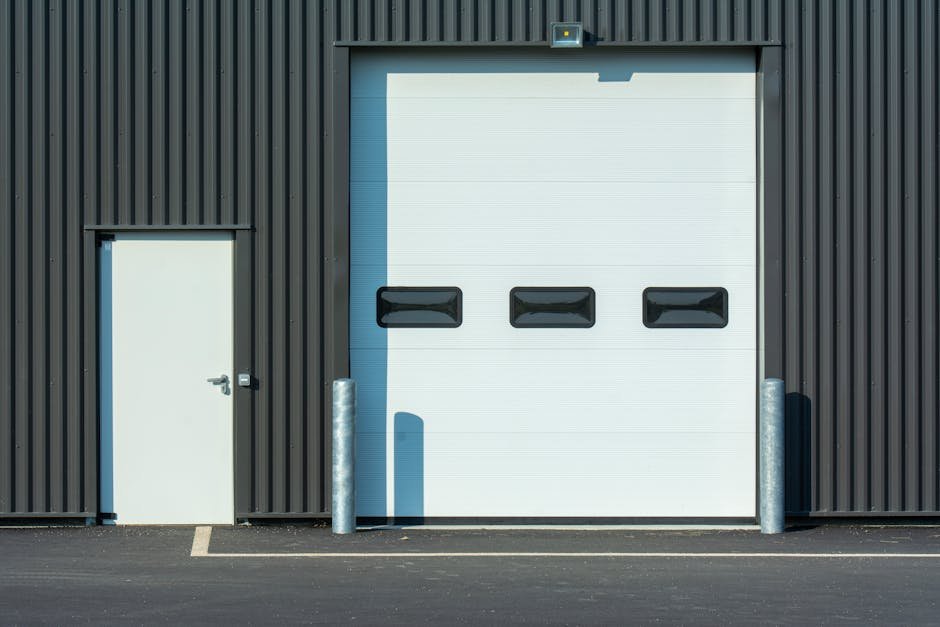
The garage door, often representing up to 40% of a home’s front facade, is a dominant visual element. A fresh, modern, and well-maintained garage door signals to potential buyers that the home has been cared for, creating a positive first impression that can significantly influence their emotional connection to the property. This “first impression factor” is crucial, especially in competitive real estate markets in April 2026, where online listings and drive-by viewings often precede interior tours. Real estate professionals affirm that the right garage door can increase a home’s asking price by up to four percent.
Similarly, a robust and aesthetically pleasing roof contributes immensely to curb appeal and perceived value. While a roof replacement might not boast the same astounding ROI percentages as a garage door, it’s a foundational upgrade that assures buyers of structural integrity and long-term protection. A new roof, free from visible wear or damage, prevents concerns about costly repairs down the line, enhancing property appraisal and value retention. For comprehensive insights into roofing options and their benefits, exploring resources like those focused on Mid Ohio roofing upgrades can provide valuable context.
By strategically investing in both your roof and garage door, you’re not just upgrading components; you’re elevating the entire exterior narrative of your home, making it more attractive, functional, and valuable. For a wide range of options that can transform your home’s facade, consider exploring various Garage door and awning upgrades available today.
Energy Efficiency Benefits of Roofing and Garage Door Upgrades
Beyond aesthetics and ROI, the synergy between roofing and garage door upgrades extends significantly into energy efficiency. Both components play a crucial role in maintaining your home’s thermal performance, leading to substantial energy savings and improved indoor climate control.
For garage doors, proper insulation is a game-changer. Many modern garage doors come with high R-value insulation, often utilizing materials like polyurethane foam. This insulation minimizes heat transfer between the garage and the outdoors, keeping the garage cooler in summer and warmer in winter. This is particularly beneficial if you use your garage as a workspace, gym, or if there are living spaces adjacent to or above it. An insulated garage door can help prevent conditioned air from escaping and unconditioned air from entering your home, reducing the workload on your HVAC system and lowering your energy bills. This also contributes to noise reduction, making your home quieter and more comfortable. Some doors offer R-values of 18 or higher, significantly enhancing their thermal barrier capabilities. In some regions, energy efficiency standards like California’s Title 24 may even influence the type of insulated garage door required for new constructions or major renovations.
The roof, as your home’s primary shield against the elements, is equally vital for energy efficiency. A well-insulated and properly ventilated roofing system prevents heat gain in summer and heat loss in winter. Modern roofing materials and installation techniques incorporate advanced thermal barriers and sustainable materials designed to reflect solar radiation and reduce attic temperatures. Adequate attic ventilation works in tandem with insulation to prevent heat buildup, which can otherwise transfer into your living spaces and force your air conditioning to work harder. By preventing energy leakage through both the roof and the garage door, homeowners can achieve a more stable indoor climate, reduce their carbon footprint, and enjoy noticeable cost savings on utility bills throughout the year.
Aesthetic Synergy in Roofing and Garage Door Upgrades
The exterior of your home is a cohesive composition, and the visual harmony between your roofing and garage door is key to achieving a stunning facade. These two elements, often the largest and most visible on the street-facing elevation, must coordinate to create a unified and appealing design.
When planning upgrades, consider how the color palettes and material coordination of your roof and garage door will interact. A new garage door, whether it’s a classic carriage house style, a sleek modern glass design, or a rustic faux wood option, should complement the existing or new roofing material. For instance, a dark, rich architectural shingle roof might pair beautifully with a deep-toned steel garage door or a natural wood-grain finish, creating a sophisticated and grounded look. Conversely, a lighter, more reflective roof material could be balanced by a garage door with a bolder color or distinctive window inserts.
The goal is design integration that enhances the overall architectural consistency of your home. If your home boasts a traditional style, a roof with a classic profile and a garage door featuring decorative hardware or a panel design that echoes the home’s era would be ideal. For contemporary homes, a minimalist roof design might be best complemented by a full-view glass or aluminum garage door, emphasizing clean lines and modern aesthetics. Even subtle details, like matching the trim color of your garage door to the fascia or window frames, can tie the entire exterior together. By thoughtfully selecting and coordinating these major components, you can elevate your home’s curb appeal from merely functional to truly captivating.
Selecting Materials for Climate Resilience and Efficiency
Choosing the right materials for your roofing and garage door upgrades is crucial for ensuring not only aesthetic appeal but also long-term durability, weather resistance, and energy efficiency, especially in diverse climates. The selection process should account for local weather patterns, from scorching summers and heavy snowfall to hurricane-force winds.
For garage doors, material strength and construction are paramount. Steel doors are a popular choice due to their durability, low maintenance, and ability to incorporate insulation. When selecting a steel door, consider the metal gauge (thickness), as a lower gauge indicates thicker, more robust steel. For areas prone to high winds or hurricanes, wind-rated garage doors are essential. These doors feature reinforced hardware, additional horizontal struts, and robust track systems designed to withstand extreme pressure. The “Strengthen Your Garage Door” source highlights that over 90% of house damage in severe wind events often begins with garage door failure, emphasizing the need for these specialized doors. Impact-resistant glass options are also available for doors with windows, providing an extra layer of protection against windborne debris. Fiberglass doors offer excellent resistance to salt-air corrosion, making them ideal for coastal environments, while also providing good insulation properties.
Roofing materials, too, must be chosen with climate resilience in mind. Asphalt shingles, a common choice, vary in their wind and impact resistance. Architectural or laminate shingles offer better performance than traditional 3-tab shingles. For regions experiencing frequent hail or severe storms, impact-rated shingles are a wise investment. Metal roofing is gaining popularity for its exceptional longevity, fire resistance, and ability to withstand extreme weather conditions, including heavy snow loads and high winds. Tile and slate roofs, while heavier and more expensive, offer superior durability and a classic aesthetic. Regardless of the material, proper installation with robust moisture barriers and UV protection is critical to prevent leaks and degradation over time. For more detailed information on roofing materials suitable for various climates and their installation, a resource like Mid Ohio roofing upgrades can offer valuable guidance. Ensuring the structural integrity of both your roof and garage door is a foundational step in future-proofing your home.
Best Materials for Extreme Weather
When your home is located in an area susceptible to extreme weather events, such as hurricanes, tornadoes, or heavy snowfalls, the choice of materials for your roof and garage door becomes a matter of safety and survival.
For garage doors, wind-load rated doors are non-negotiable in hurricane-prone regions. These doors are rigorously tested to meet specific wind pressure requirements, often indicated by a “PSF” (pounds per square foot) rating. They typically feature heavier gauge steel, vertical and horizontal reinforcement, and stronger track systems. In addition to wind resistance, impact-resistant glass should be considered for any windows in the garage door to protect against flying debris. For overall durability against various extreme conditions, heavy-duty steel remains a top contender. Its inherent strength provides a robust barrier, and when properly insulated, it also contributes to the home’s thermal envelope. For coastal areas, fiberglass options are excellent due to their superior corrosion resistance against salt air, a common issue for metal components.
For roofing, impact-resistant asphalt shingles are designed to withstand hail and other impacts, often carrying a Class 4 rating. Metal roofing, particularly standing seam or interlocking panels, offers exceptional resistance to high winds, fire, and punctures, making it a highly durable choice for almost any extreme climate. Tile and slate roofs are also extremely long-lasting and resistant to fire and strong winds, though their weight requires a robust roof structure. In areas with heavy snow, materials with good snow-shedding properties and a high load-bearing capacity are crucial. The “best” material depends on the specific threats of your local climate, but prioritizing wind-load ratings, impact resistance, and overall material strength will ensure your home’s exterior is prepared for whatever nature throws its way.
The Role of Proper Insulation
Insulation plays a pivotal, often underestimated, role in the performance of both roofing and garage door systems, extending well beyond simple energy savings. It’s about creating a comfortable, quiet, and protected living environment.
For garage doors, proper insulation, combined with effective weatherstripping around the perimeter, forms a tight seal that prevents energy leakage. This significantly reduces drafts and minimizes the transfer of extreme outdoor temperatures into the garage, ensuring more consistent garage temperature regulation. This is especially important for garages that are attached to the home, as an uninsulated garage can act as a thermal sink or source, impacting the heating and cooling efficiency of adjacent living spaces. Beyond temperature control, the mass and construction of insulated garage doors also contribute to significant noise reduction, dampening sounds from outside or from the garage itself. Multi-layer construction, often involving steel skins sandwiching a core of polyurethane or polystyrene foam, creates thermal breaks that further enhance efficiency.
In roofing, insulation is fundamental to the home’s thermal envelope. Coupled with adequate attic ventilation, it creates a barrier against heat transfer. In warmer months, it prevents solar heat from radiating into the attic and subsequently into the living areas. In colder months, it retains heat within the home, preventing it from escaping through the roof. This balance is critical for energy efficiency and seasonal comfort. Modern roofing systems integrate advanced insulation techniques and materials, ensuring that your home remains comfortable year-round while minimizing energy consumption. Both insulated garage doors and roofs contribute to a home that is not only energy-efficient but also quieter and more resilient to external environmental factors.
Modern Technologies and Architectural Cohesion
The realm of home exteriors is constantly evolving, with modern technologies offering unprecedented convenience, security, and integration. When considering roofing and garage door upgrades, incorporating smart features can significantly enhance your home’s functionality and appeal to today’s tech-savvy buyers in April 2026.

For garage doors, smart features transform a simple entry point into an intelligent component of your home automation system. Wi-Fi connectivity allows you to control and monitor your garage door from anywhere via a smartphone app. This means remote access to open or close the door, real-time alerts if the door is left open, and even integrated security cameras to see who is entering or exiting. Geofencing capabilities can automatically open your garage door as you approach home and close it as you leave, adding a layer of convenience and security. Battery backup systems ensure your garage door remains operational during power outages, a crucial feature for reliability. These advancements, combined with traditional safety sensors, make modern garage doors safer, more secure, and incredibly user-friendly. Exploring the full scope of available Garage door and awning upgrades can reveal how these technologies integrate seamlessly into a modern lifestyle.
While roofing systems typically don’t have “smart” features in the same way garage doors do, modern roofing technologies are focused on advanced materials that offer enhanced performance, longevity, and even energy generation. Solar shingles, for example, integrate directly into the roof system to generate electricity, turning your roof into an active contributor to your home’s energy independence. Advanced monitoring systems can also be installed to detect leaks or damage early, providing diagnostic notifications that allow for proactive maintenance.
Smart Features for Modern Systems
Modern garage door systems are no longer just about opening and closing; they are sophisticated pieces of technology designed to integrate seamlessly into your smart home ecosystem.
Smartphone integration is at the core, allowing homeowners to control their garage door from virtually anywhere. This includes opening or closing the door, checking its status, and receiving real-time alerts for any activity. Many systems offer automated scheduling, enabling you to program the door to close at a certain time each night or open for package deliveries. For the security-conscious, integrated cameras provide live video feeds, while enhanced security features like rolling codes prevent unauthorized access. Keyless entry pads offer convenient access without a remote, and geofencing technology can automate door operation based on your location. Furthermore, diagnostic notifications can alert you to potential issues with your opener or springs, facilitating timely maintenance. These features not only add convenience but also significantly boost your home’s security and energy monitoring capabilities, reflecting a modern approach to home management.
Matching Architectural Styles
Achieving architectural cohesion between your roofing and garage door upgrades is essential for enhancing your home’s overall curb appeal and preserving its character. The right combination can elevate your home’s aesthetic, while a mismatched design can detract from its value.
For homes with a distinct architectural style, selecting a garage door that complements it is crucial. For example, a carriage house style garage door, with its rustic charm and decorative hardware, is perfect for traditional, Craftsman, or farmhouse homes, evoking the look of old swing-out doors with modern overhead functionality. For a mid-century modern home, a full-view glass or sleek aluminum door with clean lines and minimal ornamentation would be a natural fit. Contemporary glass garage doors can also add a touch of modern sophistication, allowing natural light into the garage and creating a striking visual statement.
The roof’s material, color, and profile should also align with the home’s architecture. A steeply pitched roof with classic asphalt shingles might suit a Colonial or Victorian home, while a flatter profile with metal panels could complement a modern design. Custom trim around the garage door, along with carefully chosen decorative hardware like hinges and handles, can further enhance the architectural integrity. Even lighting placement around the garage door can play a role, highlighting its features and contributing to the overall design. For historic homes, careful consideration and sometimes approval from local preservation boards are needed to ensure upgrades maintain the property’s original charm. By harmonizing these elements, you create a unified and aesthetically pleasing exterior that truly reflects your home’s unique style.
Maintenance and Professional Installation
The longevity, safety, and optimal performance of your new roofing and garage door upgrades depend heavily on consistent maintenance and, critically, professional installation. These are investments that require ongoing care to protect their value.
For garage doors, regular maintenance is vital. This includes annual inspections by a qualified technician to check for proper spring tension, precision alignment of tracks, and the condition of cables and rollers. Lubrication of moving parts, hardware tightening, and testing of safety sensors are also essential. These steps ensure smooth operation, prevent premature wear, and uphold safety standards. Many manufacturers offer warranties that require professional maintenance to remain valid, underscoring its importance.
Roofing systems, too, benefit from routine care. Annual inspections can identify potential issues like missing or damaged shingles, compromised flashing, or debris buildup that could lead to leaks. Clearing gutters and downspouts regularly prevents water from backing up and causing damage. Addressing small problems promptly can prevent them from escalating into costly repairs, extending the roof’s lifespan and optimizing its performance.
Signs It Is Time for a Replacement
Knowing when to replace your roof or garage door, rather than continually repairing it, can save you money and prevent more significant problems down the line. Here are key signs to watch for:
For Garage Doors:
- Visible damage:Large dents, cracks, rust, or warped panels are clear indicators.
- Excessive noise:Grinding, squealing, or loud banging sounds during operation often point to worn-out components or alignment issues that may be beyond simple repair.
- Slow operation:If your door moves sluggishly, even after lubrication, the opener or springs may be failing.
- Drafts or poor insulation:Feeling cold air in your garage, or noticing light around the door’s perimeter when closed, indicates compromised weatherstripping or a lack of insulation, leading to energy loss.
- Sagging sections:If the door appears uneven or sags in the middle, it suggests structural weakness.
- Frequent repairs:If you’re calling for service multiple times a year, the cost of repairs may soon outweigh the cost of a new, more reliable door.
- Outdated aesthetics:A dated garage door can significantly detract from your home’s curb appeal and perceived value.
- Moisture absorption:For wooden doors, signs of rot or swelling indicate it’s time for a replacement.
For Roofing:
- Age:Most asphalt shingle roofs last 20-25 years. If yours is approaching or past this age, consider inspection.
- Missing or damaged shingles:Bald spots, cracked, curled, or buckling shingles expose your home to the elements.
- Granule loss:Excessive shingle granules in your gutters indicate the protective coating is wearing off.
- Leaks:Water stains on ceilings or walls are a definitive sign of roof failure.
- Sagging roof deck:A visible sag in your roofline could indicate structural issues.
- Moss or algae growth:While not always damaging, widespread growth can trap moisture and degrade materials.
- High energy bills:An old, poorly insulated roof can be a major source of energy loss.
If you observe several of these signs, it’s likely time to consult professionals for a replacement estimate.
The Impact of Professional Installation
The decision to hire professionals for your roofing and garage door upgrades is one of the most critical factors influencing the success and longevity of these projects. While DIY might seem appealing for cost savings, the complexities and potential hazards involved make professional installation an invaluable investment.
For garage doors, professional installation ensures safety compliance. Garage doors are heavy, complex systems with high-tension springs that can be extremely dangerous if mishandled. Experts possess the specialized tools and training to install these components correctly, minimizing the risk of injury or malfunction. They guarantee precision alignment of tracks, proper spring tension, and correct opener calibration, all of which are essential for smooth, quiet operation and extended lifespan. Professional installers also ensure proper sealing around the door, maximizing its energy efficiency and weather resistance. Furthermore, manufacturer warranties often require professional installation to remain valid, protecting your investment.
Similarly, roofing is a highly specialized trade where proper installation is paramount to preventing leaks, ensuring structural integrity, and achieving the expected lifespan of the materials. Professionals understand local building codes, permit requirements, and the nuances of different roofing materials and systems. They correctly install underlayment, flashing, and ventilation, which are critical for preventing water intrusion and premature roof failure. Their expertise in expert calibration and risk mitigation means your roof will withstand the elements as designed, providing long-term reliability and peace of mind. Professional installation for both roofing and garage doors is not just about convenience; it’s about safeguarding your home, ensuring optimal performance, and preserving your investment through quality assurance.
Frequently Asked Questions about Exterior Upgrades
What is the typical ROI for a garage door replacement in 2026?
Garage door replacement consistently ranks as one of the top home improvement projects for return on investment. According to recent data, homeowners can expect to recoup over 90% of the project cost at resale, with some reports from 2025 showing an average ROI as high as 268%. This makes it an incredibly smart investment for enhancing your home’s value in 2026.
How do roofing improvements affect home energy efficiency?
Roofing improvements significantly impact home energy efficiency by creating a robust thermal barrier and ensuring proper ventilation. A new, well-insulated roof prevents heat transfer, keeping your home cooler in the summer and warmer in the winter. Modern materials can reflect solar radiation, and proper attic ventilation prevents heat and moisture buildup, reducing the workload on your HVAC system and lowering energy bills.
What are the key signs that a roof or garage door needs immediate attention?
For a roof, key signs include missing, cracked, or curling shingles, significant granule loss, water stains on interior ceilings, and a visible sag in the roofline. For a garage door, look for visible damage like large dents or rust, excessive noise during operation, slow or erratic movement, drafts around the edges, or if the door appears to be sagging. Any of these signs suggest it’s time for a professional inspection and potential replacement.
Conclusion
In April 2026, the exterior of your home is more than just a facade; it’s a strategic asset that speaks volumes about your property’s value and maintenance. By focusing on roofing and garage door upgrades, you’re making a wise and impactful investment that delivers on multiple fronts. These projects offer exceptional return on investment, dramatically boost curb appeal, and enhance your home’s functionality, energy efficiency, and security.
From insulated garage doors that regulate indoor temperatures to wind-rated roofing materials that protect against extreme weather, the right upgrades contribute to a home that is resilient, comfortable, and aesthetically pleasing. Incorporating modern technologies like smart garage door openers adds convenience and a contemporary edge, while ensuring architectural cohesion creates a unified and captivating exterior design.
Don’t underestimate the power of professional installation and consistent maintenance to maximize the longevity and performance of these vital systems. By addressing signs of wear and tear promptly and opting for quality materials and expert craftsmanship, you’re not just renovating; you’re future-proofing your home. Embrace the opportunity for an exterior transformation that provides lasting value, enhanced protection, and undeniable aesthetic excellence.